You've got a piece of land, right? Maybe it's totally overgrown, or you're sketching out plans for a new build, or you just want to take back some space. Land clearing sounds pretty straightforward, doesn't it? Just get rid of the trees and brush. But I've seen enough projects here in Missoula to tell you there's way more to it than just firing up a chainsaw. Doing it the right way means you've got to think ahead, know what you can actually handle, and understand the local rules.
Before You Start: Planning and Permits
Don't just grab an axe and go at it. Seriously. The first thing you need to do is figure out exactly what you're trying to accomplish. Are you clearing for a new house? A garden plot? Or maybe you're trying to improve fire safety around your existing home? The "why" really dictates how much and what kind of clearing you'll actually need to do.
Next up: permits. This is a big one, especially here in Missoula. You can't just clear whatever you want, wherever you want. Depending on the size of the area, the type of plants you're removing, and if you're near any wetlands or waterways (and we've got plenty of those around here, like along the Clark Fork River), you might need permits from the city or county. Always, always check with the Missoula City-County Planning Department or the Department of Environmental Quality (DEQ) before you even think about starting. Ignoring this? That can lead to some pretty hefty fines and headaches you absolutely don't need.
Also, know your property lines. I mean it. I've seen neighbor disputes get really ugly because someone cleared trees that weren't even on their land. If you're not absolutely sure, get a survey. It's cheap insurance compared to a lawsuit, trust me.
Finally, think about the time of year. Clearing in spring or summer can disturb nesting birds and other wildlife. Fall and winter are often better, especially when the ground is frozen. That can prevent a lot of soil compaction and erosion issues, which are pretty common with our clay-heavy soils when they're wet.
During the Project: DIY vs. Pro
Okay, so you've got your plan down and your permits are in hand. Now comes the actual work. What can you realistically tackle yourself, and when is it time to call in a professional?
- Small Brush and Saplings: If you're just dealing with small brush, weeds, and saplings—anything you can cut with hand tools or a small chainsaw without it being dangerous—you can probably handle this yourself. A good pair of loppers, a brush cutter, and some elbow grease will go a long way. Just make sure you're wearing proper safety gear: gloves, eye protection, sturdy boots, and hearing protection if you're using power tools.
- Medium-Sized Trees (under 10-12 inches diameter): You *might* be able to take these down yourself if you're experienced with a chainsaw and understand felling techniques. But even a medium-sized tree can do a lot of damage if it falls the wrong way. It's not just about cutting it; it's about controlling the fall, knowing how to limb it safely, and bucking it up. If you have any doubt, seriously, don't risk it.
- Large Trees, Steep Slopes, or Near Structures/Power Lines: This is where you absolutely, unequivocally need to call a professional. Large trees are incredibly dangerous. They can weigh thousands of pounds, and their branches can snap unpredictably. If the tree is leaning, diseased, or close to your house, a fence, or power lines, it's not a DIY job. Period. Also, if your land is on a steep slope, clearing can lead to erosion problems, especially with our heavy spring rains. A pro will have the right equipment, insurance, and expertise to do it safely and efficiently, minimizing damage to your property and the environment. That's where a company like Tree Service Pros of Missoula comes in. We've got the gear and the know-how to handle the tough stuff.
- Stump Removal: Once the trees are down, you're left with stumps. You can leave them, try to dig them out (which is incredibly hard work for anything but the smallest stump), or have them ground down. Stump grinding is usually the most efficient way to get rid of them, and it's another job often best left to pros with the right equipment.
After the Clearing: Cleanup and Restoration
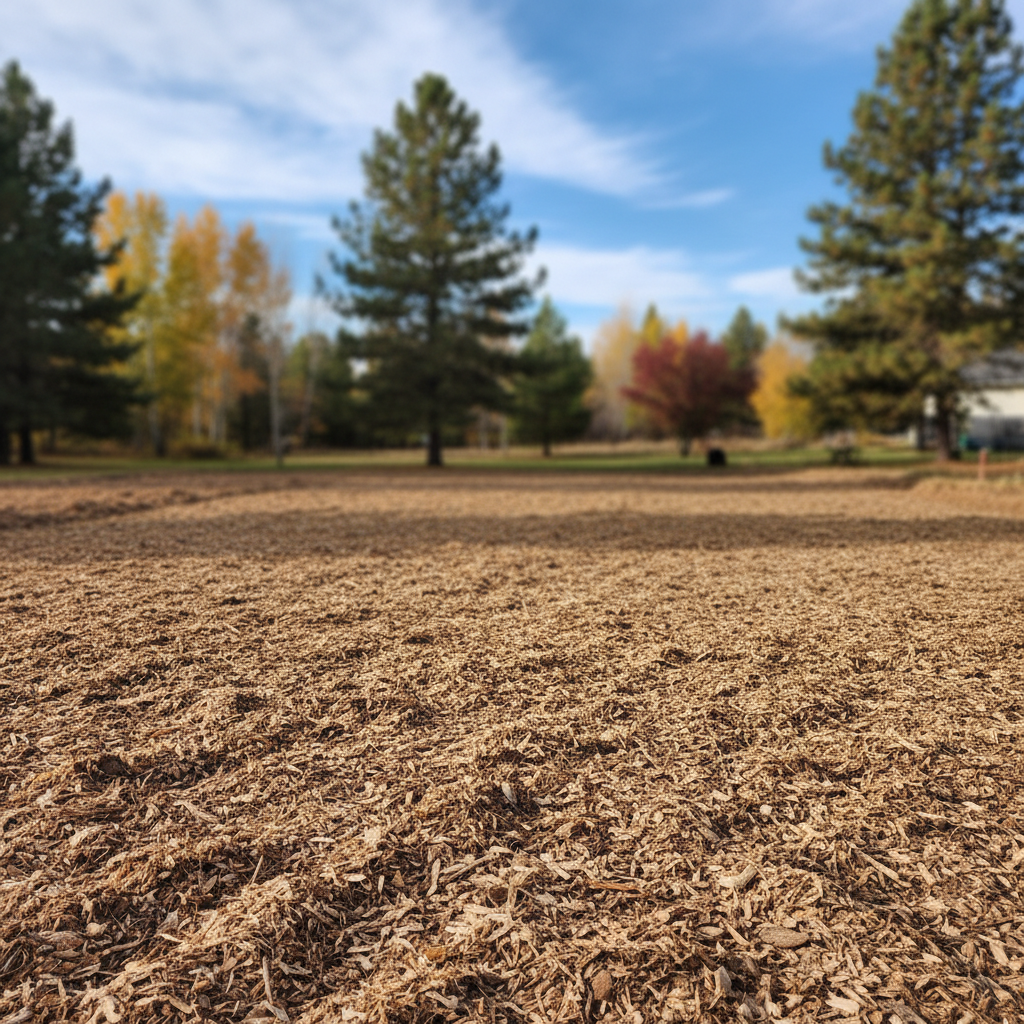
So, the land is cleared. Now what? You'll have a lot of debris. You can chip smaller branches for mulch, haul larger logs away for firewood, or arrange for a debris removal service. Burning is an option in some areas and at certain times of the year, but you'll need to check local fire restrictions and get a burn permit from the Missoula Rural Fire District or other relevant authority. We have a lot of fire danger here, especially in late summer, so be smart and safe.
Once the debris is gone, think about what you're going to do with the exposed soil. Cleared land is vulnerable to erosion. If you're not building right away, consider planting a cover crop or laying down straw to stabilize the soil. This is especially important on slopes or if you have exposed areas of the Missoula Valley's silty, easily erodible soils.
Land clearing isn't just about removing what's there; it's about preparing the land for its next purpose. Do your homework, know your limits, and don't hesitate to bring in the experts when the job gets bigger than your weekend warrior skills. It'll save you time, money, and potentially a trip to the emergency room.